
When it comes to displaying artwork, posters, or important information, the type of frame you choose can significantly affect both the aesthetic presentation and practical functionality. Two popular options on the market today are snap frames and traditional frames. Each has its unique features, benefits, and drawbacks, making it essential for consumers and businesses to understand the differences and decide which is best suited for their specific needs.
Snap frames, also known as poster frames, are designed for ease of use and practicality. These frames feature a simple, innovative mechanism that allows for quick and effortless changing of displays. In contrast, traditional frames may offer a more classic aesthetic but lack the versatility and user-friendly attributes found in snap frames. This article will explore the myriad aspects of snap frames compared to traditional frames, addressing their design, functionality, and suitability for various environments.
Design Differences
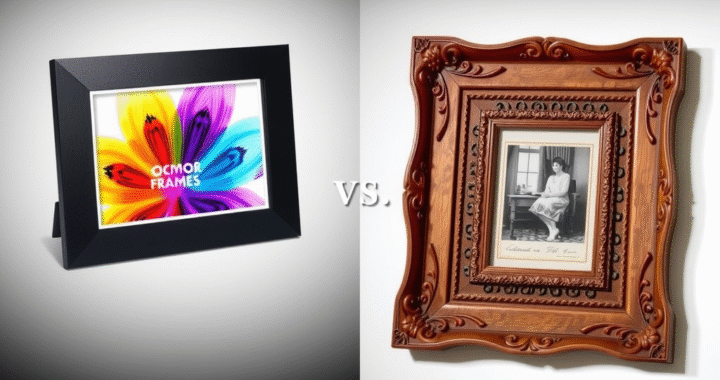
One of the most noticeable differences between snap frames and traditional frames is their design. Snap frames are typically made from lightweight materials, such as aluminium, and feature a sleek, minimalist appearance. This design not only lends itself to modern decor but also ensures that the display remains the focal point without being undermined by an overly ornate frame.
On the other hand, traditional frames often come in a variety of materials, including wood, metal, and plastic, and they can exhibit intricate designs, finishes, and textures. The choice of frame can dramatically affect the overall look of a displayed piece. While traditional frames are often viewed as more elegant or sophisticated, they may not be as versatile or easy to manage as snap frames.
Functionality and Ease of Use
A significant advantage of snap frames lies in their functionality. With their unique snap open and close mechanism, changing artwork or information is a seamless process. Users can quickly load new materials into the frame without the need for tools, making it an excellent option for environments where updates are frequent, such as retail stores, offices, and galleries. This feature saves time and energy, allowing businesses to focus on their core activities rather than getting bogged down by the logistics of frame management.
Traditional frames, conversely, often require more effort to update. Depending on the design, users might need to remove the backing, use screws, or deploy other tools to change the display. This can be particularly cumbersome in commercial settings where multiple displays are regularly updated. While traditional frames can offer a more polished look for static displays, they do not match the convenience of snap frames in dynamic environments.
Versatility in Display
Snap frames excel in versatility. They are available in various sizes and styles, making them suitable for numerous applications. Whether you need to showcase a promotional poster in a shop window, print a new menu for a restaurant, or display safety information in a workplace, snap frames can be widely adapted to meet these needs. Their simple design allows them to blend into any environment, ensuring that they complement rather than compete with the displayed content.
Traditional frames may also come in different sizes and styles; however, they tend to be less adaptable. While they may add an aesthetic layer to the display, they lack the practical flexibility of snap frames. Additionally, traditional frames can be heavier and bulkier, making them less ideal for locations where frequent updates are needed, like trade shows or events.
Durability and Maintenance
When it comes to durability, both snap frames and traditional frames have their advantages and disadvantages. Snap frames are generally constructed from sturdy, lightweight materials that resist wear and tear. Many feature UV-resistant covers to protect displayed materials from fading and damage, prolonging the life of the artwork or information inside. This is particularly beneficial in environments where exposure to sunlight is a concern.
Traditional frames can provide a more substantial feeling of quality, especially those made from solid wood or high-grade metal. However, they might not offer the same level of protection against environmental factors without the addition of glass or acrylic covers, which can be prone to scratches and damage. Maintenance for traditional frames can also be more demanding, as they may require regular cleaning and treatment to preserve their appearance.
Cost Considerations
Cost can be a crucial factor in deciding between snap frames and traditional frames. Generally, snap frames are more affordable, especially when purchasing in bulk for commercial purposes. Their cost-effective nature makes them an attractive option for businesses that require multiple displays while maintaining a budget.
Traditional frames, depending on the quality and material used, can be significantly more expensive. The investment can be worth it for high-end displays in galleries or home decor, but when it comes to businesses needing frequent updates, snap frames typically provide a more financially viable solution.
A snap frame is an ideal solution for displaying posters, artwork, and important information in various settings, such as retail stores, offices, and exhibitions. These frames are designed for easy access, allowing you to switch out content quickly without needing any tools. This makes them perfect for businesses that regularly update their displays. To explore a wide selection of styles and sizes, visit snap frame and find the perfect solution for your needs!
Target Audience and Use Cases
Lastly, the intended use and target audience play pivotal roles in the decision-making process. Snap frames cater to a broad range of customers, particularly in commercial settings. They are ideal for businesses, schools, and organisations that need to change displays frequently. In contrast, traditional frames are often favoured by those looking to achieve a particular aesthetic, such as homeowners or art collectors seeking to showcase a finished piece.
Understanding the distinctions between snap frames and traditional frames can aid in making an informed choice, ensuring that your displays effectively communicate their intended messages while also meeting practical needs.